
Astronomy knowledge
Astronomy glossary
Straightforward explanations of the terms you meet when observing the night sky or processing astrophotographs.
Finding your way around the sky
Altitude: the angle of an object above the local horizon. Azimuth: its compass direction measured around the horizon. Declination: a celestial coordinate comparable to latitude. Right ascension: the companion coordinate used to locate an object on the celestial sphere.
Constellation: one of the internationally defined regions of the sky, traditionally associated with star patterns. Light pollution: unwanted artificial light that brightens the night sky and reduces the visibility of faint objects.
Stars and galaxies
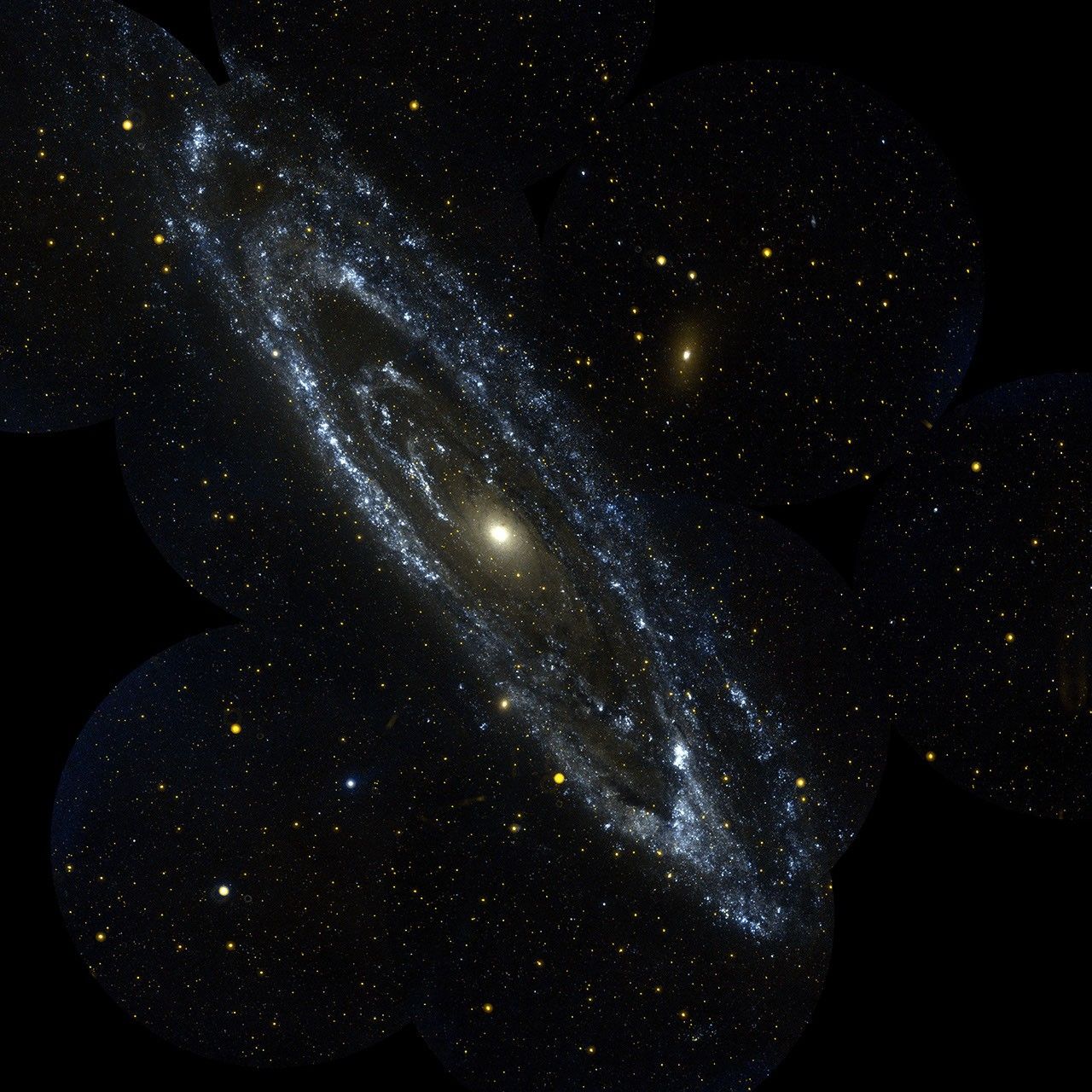
Light-year: a unit of distance, not time; it is how far light travels through a vacuum in one year. Magnitude: a logarithmic measure of brightness; smaller numbers indicate brighter objects. Galaxy: a gravitationally bound system of stars, gas, dust and dark matter.
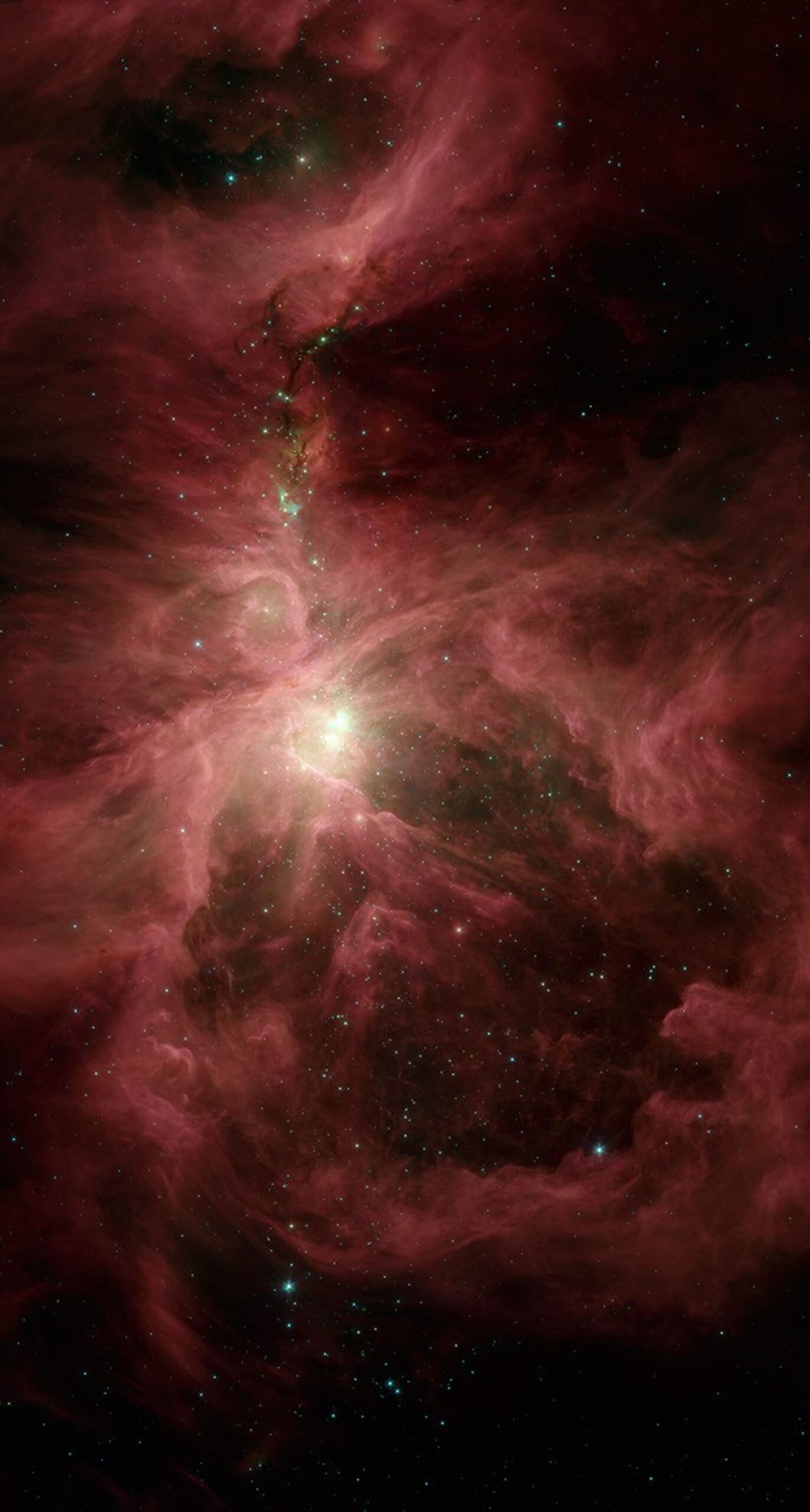
Star cluster: a group of stars with a shared origin or gravitational association. Nebula: a cloud of interstellar gas and dust, which may glow, reflect nearby starlight or obscure light behind it.
What affects an observation
Seeing: atmospheric steadiness that governs how sharply fine details can be resolved. Transparency: how clearly starlight passes through the air. Bortle scale: a nine-level descriptive scale of night-sky darkness and light pollution.
Astronomical twilight: the period when the Sun is below the horizon but can still contribute faint light to the sky. Field of view: the angular or image area covered by a telescope, eyepiece or camera setup.
Astrophotography essentials
Exposure: the interval during which a camera collects light. Subframe: one individual image in a series of exposures. Stacking: aligning and combining subframes to improve the signal-to-noise ratio.
Dark frames: calibration exposures taken with the sensor covered, used to characterise certain camera noise patterns. Flat frames: calibration images used to correct uneven illumination and dust shadows. Dithering: slightly shifting the field between exposures to help reduce fixed-pattern noise in the combined image.
Processing and planning
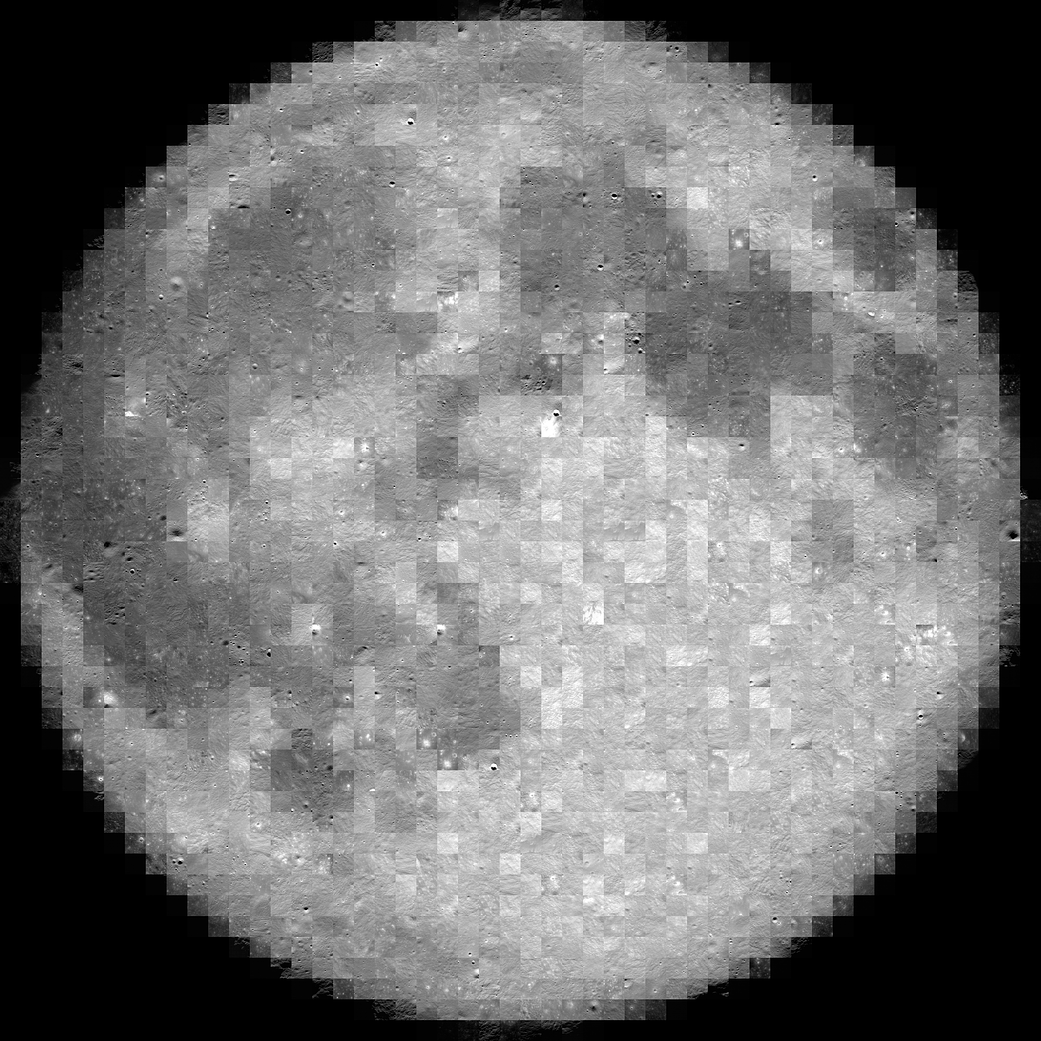
Drizzle: a reconstruction method that can improve sampling under suitable conditions when enough dithered data are available. Mosaic: combining adjoining frames to capture a larger field. Signal-to-noise ratio: the relationship between genuine object information and unwanted fluctuations.
Histogram: a graph showing the distribution of image brightness values. Stretching: transforming faint linear image data into a form whose features are visible on a screen. These techniques require care to preserve authentic structures.
Continue exploring: Astronomy, Observing, Astrophotography and Planning your observing night.