
Moments to watch
Celestial Events
Eclipses, meteor showers and close encounters in the sky are worth planning for.
The night sky regularly offers special events to observe – from lunar and solar eclipses to planetary conjunctions, meteor showers and rare encounters between bright celestial objects. Many of these events can be seen with the naked eye, while others become especially impressive through binoculars, a telescope or a camera.
Eclipses
Eclipses are among the most impressive events in the sky. During a solar eclipse, the Moon moves between Earth and the Sun, while during a lunar eclipse the Moon passes into Earth’s shadow. Depending on the geometry, these events can be partial or total and are visible only from certain regions of Earth.
Meteor Showers
Meteor showers occur when Earth passes through trails of dust and debris left behind by comets or asteroids. Small particles enter Earth’s atmosphere at high speed and create the bright streaks we see as shooting stars. Well-known examples include the Perseids in August and the Geminids in December.
Planetary Conjunctions
During a planetary conjunction, two or more planets appear especially close together in the sky. In reality, they are usually separated by vast distances – they only seem close from our perspective on Earth. These encounters can often be seen with the naked eye and can also make attractive photographic subjects.
Oppositions and Special Visibility
During an opposition, an outer planet appears opposite the Sun in Earth’s sky. At this time, it is usually visible for much of the night, reaches a high apparent brightness and is often especially well placed for observation and photography. Greatest elongations of Mercury or Venus, as well as close encounters with the Moon, can also offer excellent observing opportunities.
Moon Phases and Special Lunar Events
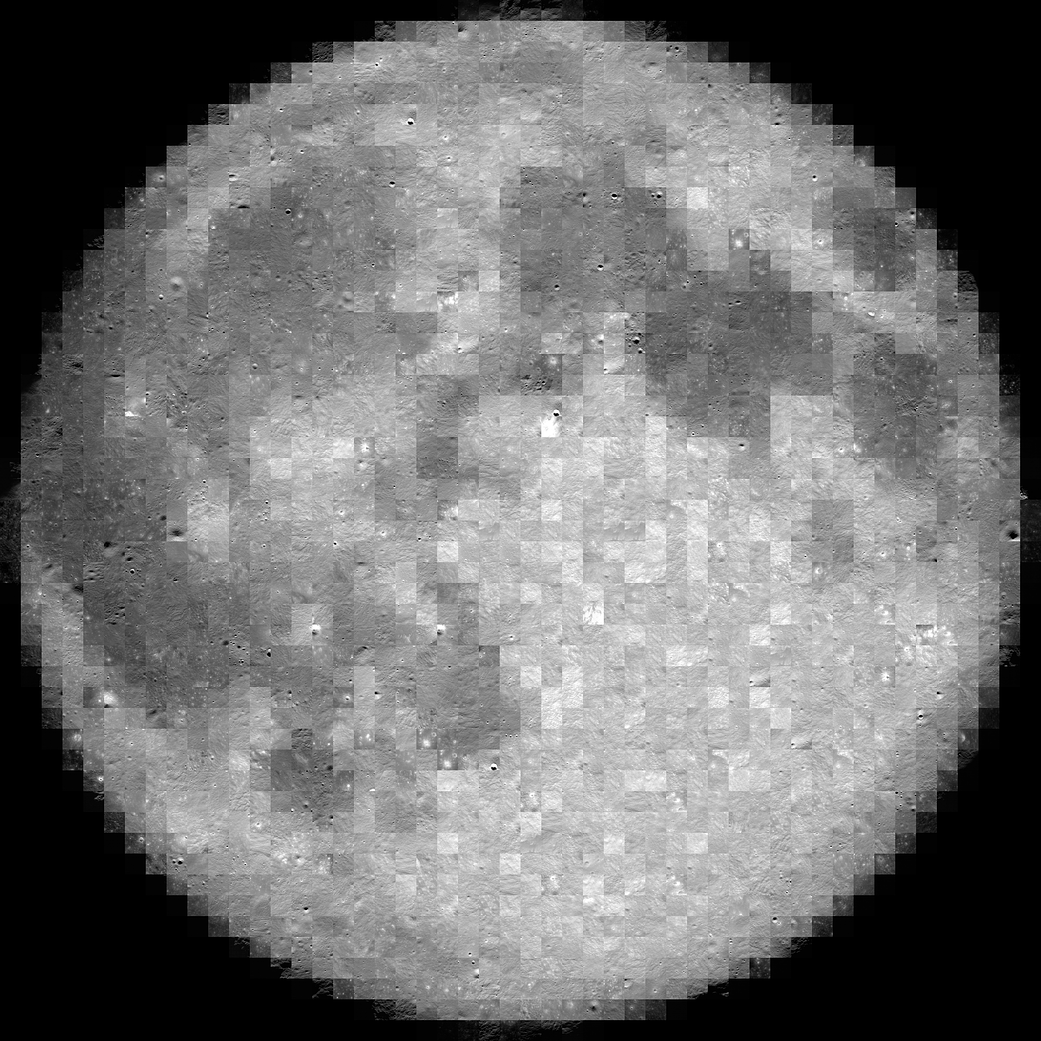
Over the course of its roughly 29.5-day phase cycle, the Moon constantly changes its appearance. In addition to new moon, first and last quarter, and full moon, close encounters with planets, occultations of bright stars or planets, and striking crescent phases can be especially interesting to observe. For photography, the Moon’s altitude above the horizon, illumination and current phase also play an important role.
More About Celestial Events
Celestial events are especially rewarding when the timing, location and viewing conditions are planned in advance. Moon phases, planetary conjunctions, oppositions and meteor showers are constantly changing, making every observing night a little different. On Foto-Gorilla, you’ll gradually find practical information about when special events occur, how well they can be seen and which equipment is best suited for observing them.
For many events, the Seestar S50 Pro can be a very useful companion. The Moon, bright planets and selected deep-sky targets can be photographed and documented with relatively little effort. During lunar eclipses, close encounters between the Moon and planets, or other striking celestial events, the Seestar can be a great complement to visual observing.
Not every event is equally well suited to the Seestar, however. Very large-scale phenomena such as meteor showers or wide planetary conjunctions can often be more impressive with the naked eye or a conventional camera. That’s why Foto-Gorilla will also explain which events are best observed visually, with a camera, or with the Seestar S50 Pro.
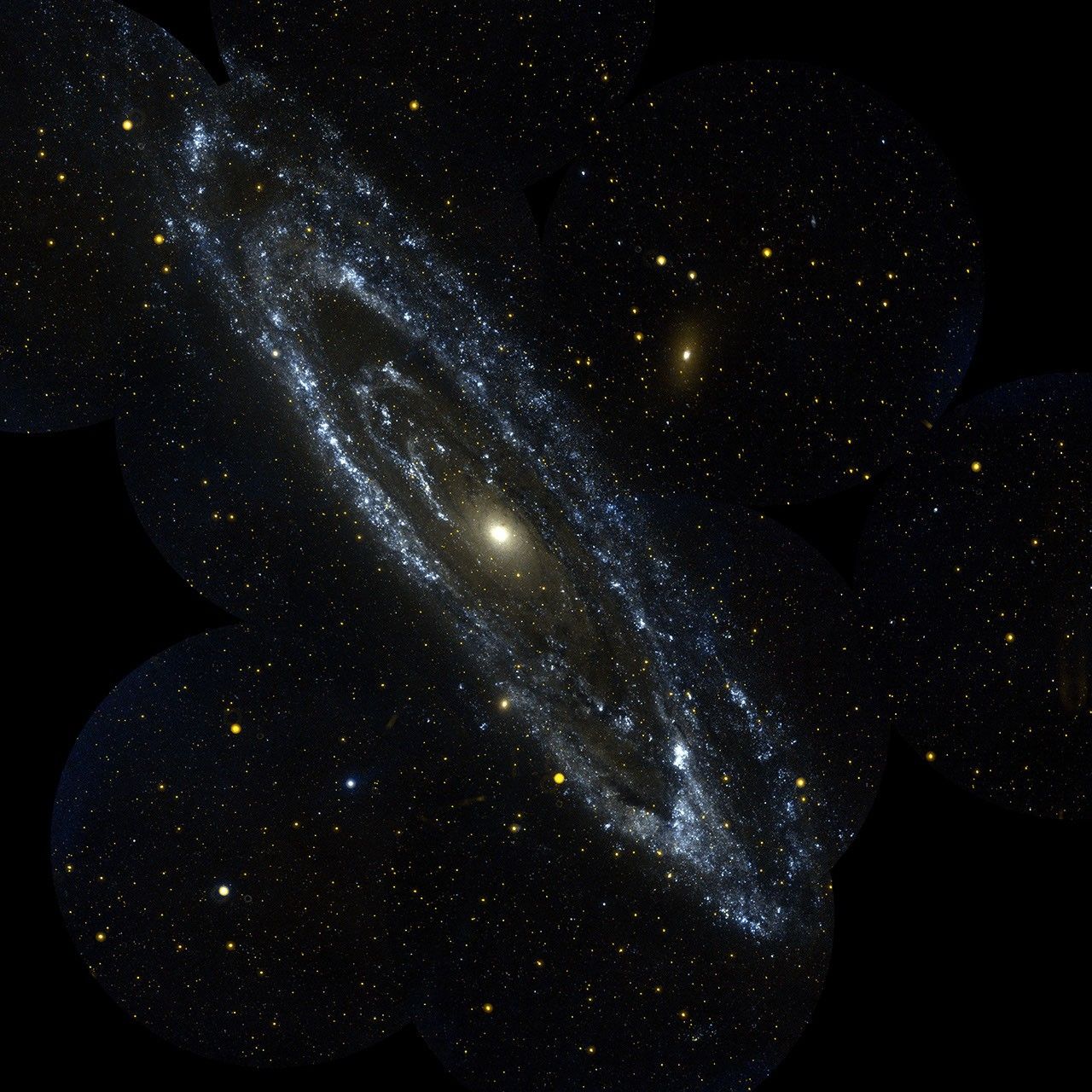
Many celestial events involve bodies in the Solar System. Use the constellations to find your way around the night sky.
Observing and understanding
Understand an event and experience it.
Annular solar eclipse
6 February 202717:00 CET
- Time
- Rounded global maximum: 16:00 UT.
- Location
- Not visible from Germany. Check the visibility map for the affected regions.
- Planning
- Check your destination and its local contact times.
October Draconids
Night of 8–9 October 2026- Maximum
- Predicted: 9 October, about 03:00 CEST (01:00 UT).
- Observing
- Include the evening hours: the radiant is higher then at many central European locations.
- Equipment
- Unaided eyes or a wide-field camera.
A weak shower with an uncertain rate. A dark sky helps; a spectacular outburst is not promised.
Two planets meet in the sky
Date pending ephemeris verification- Display
- Both planets, closest approach and angular separation.
- Where?
- Visible regions and your observing window.
- At your site
- Direction, altitude and angular distance from the Sun.
The next specific date will be added after checking the ephemerides. Conjunctions with the Sun and Moon–planet encounters are labelled separately.
Penumbral lunar eclipse
Night of 20–21 February 2027- Start
- 20 February, about 22:12 CET.
- Maximum
- 21 February, about 00:13 CET.
- End
- 21 February, about 02:13 CET.
The Moon is observable from central Europe with a clear view. The shading is much subtler than during a partial or total lunar eclipse.
Geminids
Nights around 14 December 2026- Maximum
- Predicted: 14 December, about 15:00 CET (14:00 UT).
- Observing
- Use the adjacent nights: the predicted maximum falls in daytime here.
- Preparation
- Warm clothing, an open view and a dark site.
The published ZHR is an idealised comparison rate, not a guaranteed number of meteors at your location.
Moon, planets and occultations
Organised by time and location- Moon
- Phases, encounters with planets and stellar occultations.
- Planets
- Oppositions and greatest elongations.
- Comets
- Only with current position and brightness forecasts.
Rare phenomena receive their own card. Local start and end times are particularly important for occultations.
Eclipses: distinguish type and visibility region
During a solar eclipse, the Moon covers the Sun. Your location determines whether you see a partial, total or annular eclipse. The greatest global coverage does not automatically describe your observation. An event card therefore separates the global type from the local circumstances.
Lunar eclipses can be penumbral, partial or total. A penumbral eclipse may show only subtle shading. Observing the Moon does not require a solar filter. Observing the Sun through binoculars, a telescope or smart telescope requires a suitable, undamaged front-mounted filter used according to the manufacturer. Eclipse glasses behind an optical instrument are insufficient.
Meteor showers: maximum versus observing window
A shower is active across several nights. Its calculated maximum may fall in daytime, making the adjacent nights the practical choice. The radiant is the direction from which the meteors appear to originate. You do not need to stare directly at it; streaks can cross large areas of sky.
Allow a long session and time for your eyes to adapt, and keep bright screens away. Moonlight, clouds and light pollution reduce the number of faint meteors you see. Unaided eyes and a wide-angle camera are generally better than a telescope’s narrow field.
Conjunctions: close in the sky, far apart in space
A conjunction describes an astronomical alignment, such as equal right ascension or ecliptic longitude. The smallest apparent angular separation need not occur at exactly that moment. For observing, also check when both planets are high enough and the sky dark enough.
Wide encounters work well with unaided eyes, binoculars or a camera. A close encounter may fit both targets in a telescope. For a smart telescope, check its field and available recording modes. A small separation does not guarantee good visibility if the encounter lies close to the Sun.
Oppositions, elongations and occultations
At opposition, an outer planet appears opposite the Sun, often offering long observing nights. Mercury and Venus remain near the Sun from our perspective; greatest elongations are useful indicators, but horizon geometry and season also affect visibility.
During an occultation, a star or planet disappears behind another body, often the Moon. An event visible from one town may not occur a few hundred kilometres away. These cards require a clearly defined visibility region and local contact times.