
Observing guide
The sky tonight
A practical guide to finding out what is worth observing from your location, without relying on a generic sky forecast.
Your location changes the view
The night sky is not identical everywhere. Latitude determines which constellations rise above your horizon, while local obstacles such as trees or buildings limit the directions you can observe. A planet visible just before dawn in one region may be poorly placed elsewhere.
Use your observing location and the correct local time in a planetarium app. Check an object’s altitude and direction, not merely whether it appears on a monthly sky list. Higher objects generally suffer less atmospheric distortion and extinction.
The Moon sets the mood
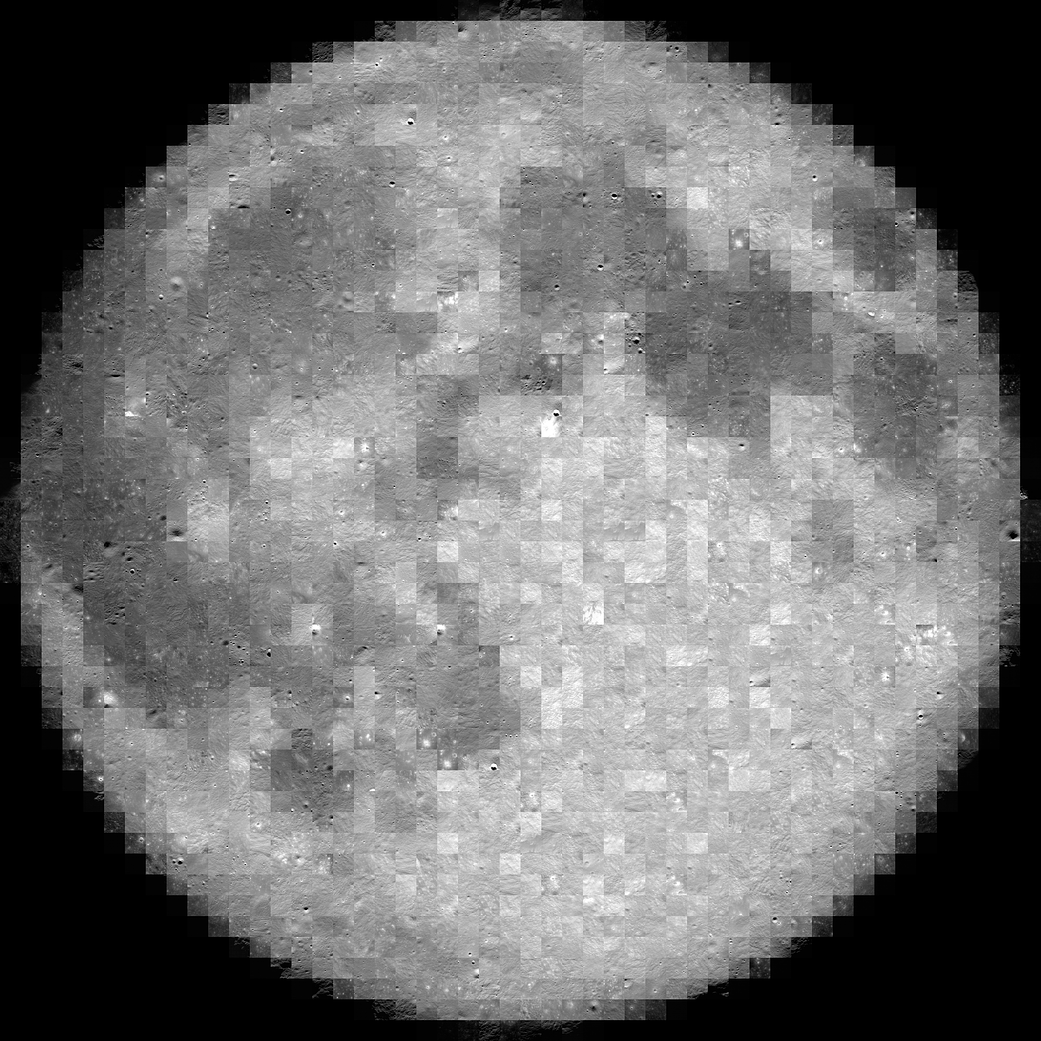
Moonlight can wash out faint galaxies and nebulae, especially around full Moon. Conversely, the Moon itself is one of the easiest and most fascinating objects to study. A waxing or waning phase often gives the best combination of surface relief and comfortable contrast.
For faint deep-sky targets, look for darker hours and minimise nearby artificial light. For lunar photography, try different exposure settings to retain bright highlights rather than treating every lunar phase in exactly the same way.
Weather, transparency and seeing
Clear skies are only the beginning. Transparency describes how well light passes through the atmosphere; seeing describes how stable the image appears at high magnification. Haze, humidity, thin cloud and turbulence can all change the result.
Check a trusted local weather forecast and, when available, astronomical seeing forecasts. Keep alternative targets ready: the Moon and bright planets may still be rewarding when distant galaxies are difficult to see.
Planets, stars and deep-sky targets
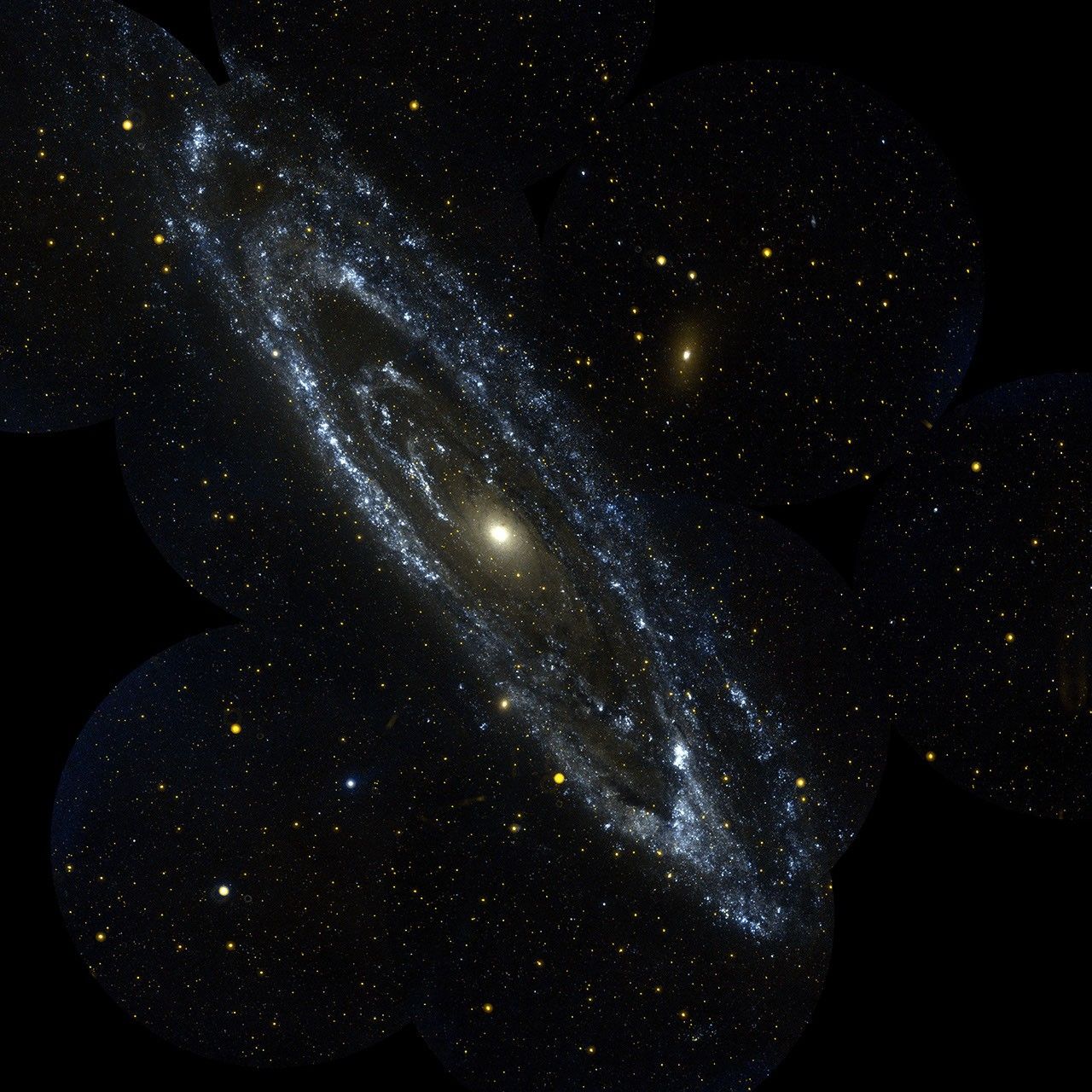
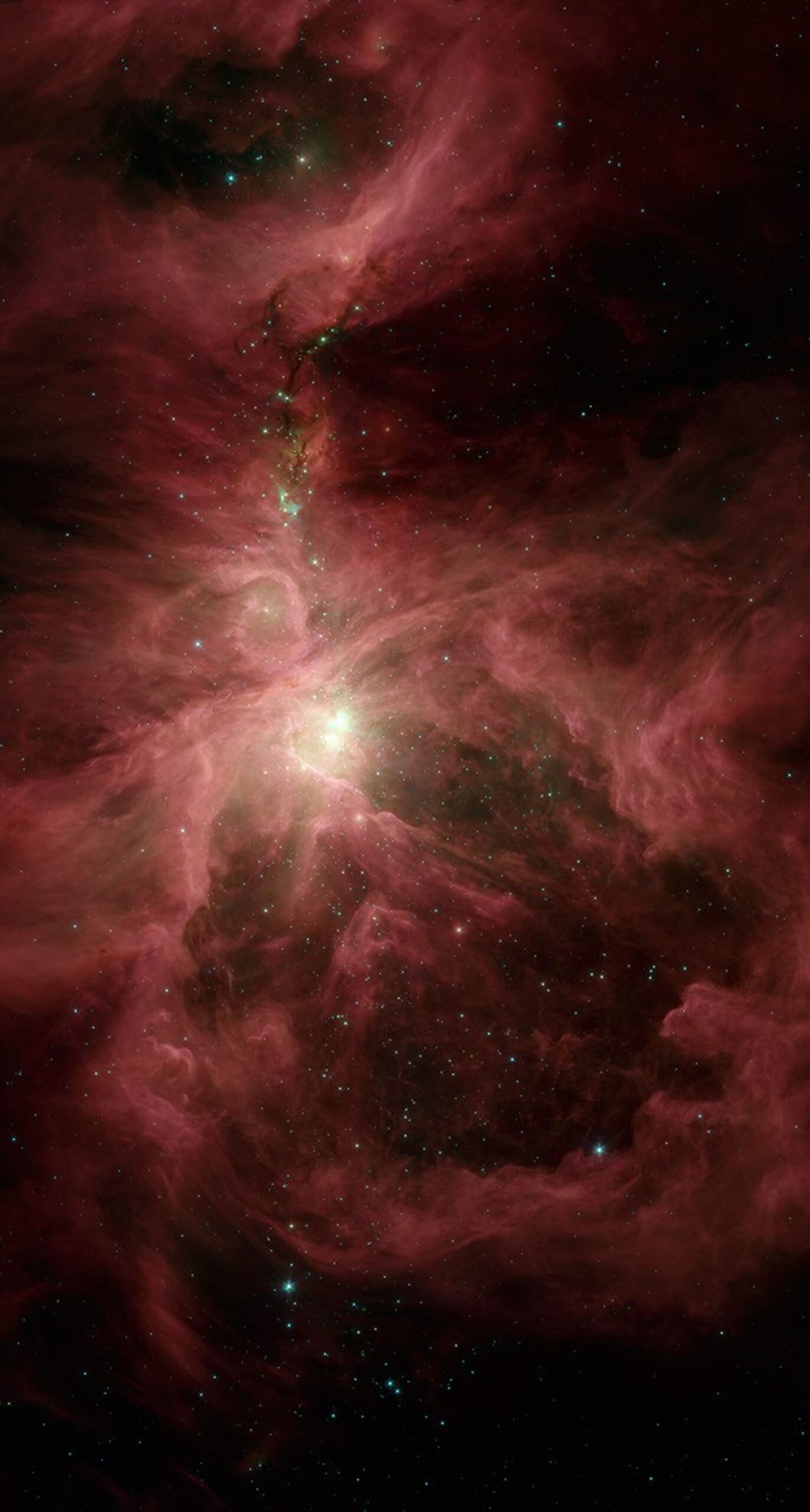
Which planets are visible tonight changes during the year. Their apparent positions must be checked for the date of your observation. Some bright stars and constellations make reliable seasonal reference points, while many galaxies and nebulae require darker conditions.
Begin with one or two easy targets, then move to a more challenging object if conditions allow. With a smart telescope, allow enough time for calibration, alignment and a worthwhile total exposure rather than focusing on individual frames alone.
A five-minute checklist
Confirm the start and end of astronomical darkness, Moon brightness, target altitude and weather. Make sure you have a charged battery, enough storage and a safe, accessible location.
This page is an observing guide, not a live ephemeris or weather service. For up-to-date positions and forecasts, use a suitable planetarium and local weather source before setting off.
Continue exploring: Astronomy, Observing, Astrophotography and Planning your observing night.