
The observing year
Astronomy observing calendar
A seasonal overview of constellations, deep-sky highlights and the changing conditions for observing and photography.
Winter: bright nebulae and long nights
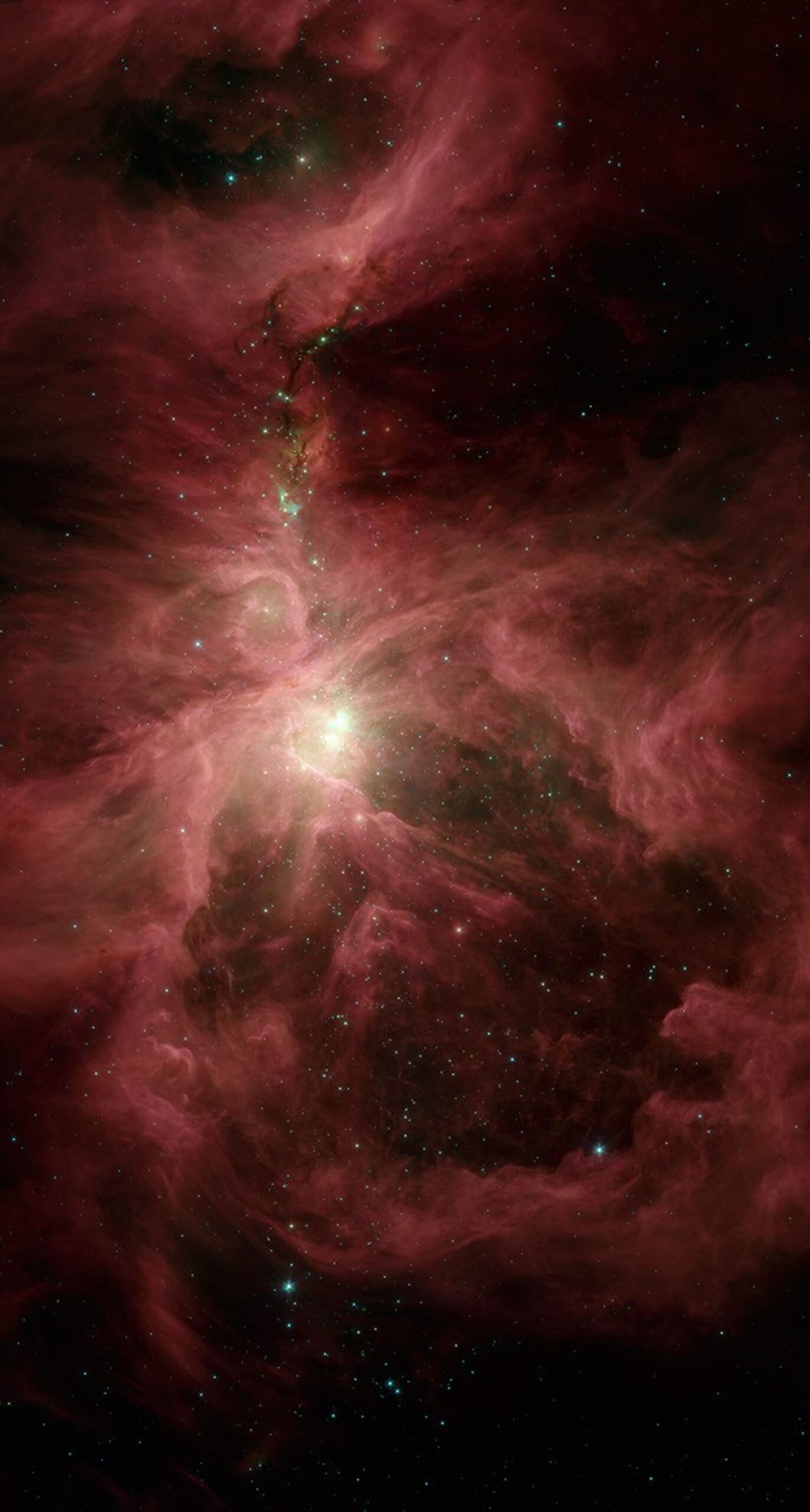
For northern observers, winter evenings can bring the Orion region high into view, with prominent stars and several rewarding nebulae. Bright open clusters are also good first targets. The long hours of darkness offer flexibility, although cold, frost and cloud require preparation.
Try the Orion Nebula under a reasonably dark sky or photograph a bright cluster with relatively short exposures. Choose targets according to their actual altitude and the local weather rather than assuming the whole season will be clear.
Spring: galaxies and structure
In many northern-sky locations, spring is associated with galaxies and the familiar star patterns around Leo, Virgo and Ursa Major. For photographs of faint galaxies, darker Moon-free nights are especially useful.
Galaxies demand careful focusing, stable tracking and enough total exposure. Consider whether the image scale of your camera or smart telescope matches the apparent size of the object; more magnification is not always the answer.
Summer: the Milky Way and clusters
Summer evenings offer striking regions of the Milky Way in suitable dark locations. Star clusters and brighter emission nebulae provide a broad choice of targets, although twilight can be long at northern latitudes.
Avoid unnecessary light pollution and plan around the Moon. For wide-field photography, include a thoughtful foreground without sacrificing stable framing or the time needed for the stars.
Autumn: Andromeda and changing skies
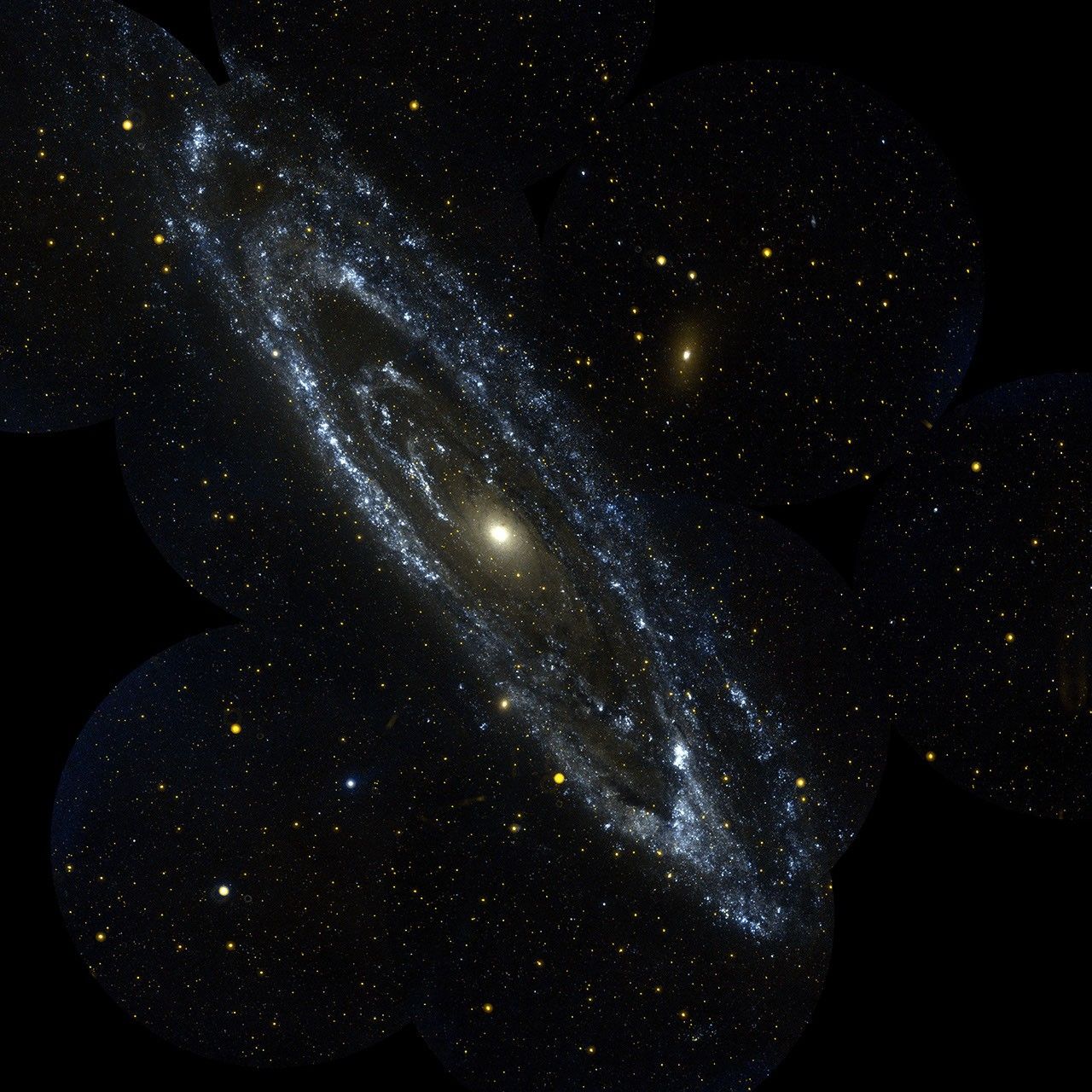
Autumn is often rewarding for imaging the Andromeda Galaxy and several prominent northern-sky clusters. The arrival of longer evenings makes it easier to schedule sessions without staying out all night.
Use a star chart to check field of view and framing, especially for large targets. A mosaic can sometimes capture an object more convincingly than a single narrow field.
Events need exact dates
Meteor showers, eclipses, conjunctions and planetary occultations do not follow a simple fixed calendar. Their visibility depends on the year, location, weather and timing, and a published global maximum may occur in daylight where you live.
For each specific event, confirm the date, local timezone, horizon position and visibility through an authoritative calendar or ephemeris. This page is a seasonal introduction rather than a continuously updated event schedule.
Continue exploring: Astronomy, Observing, Astrophotography and Planning your observing night.