
Getting started
Astronomy for beginners
An approachable route from recognising the first constellations to making your own observations.
Start with the sky you can see
Astronomy does not begin with expensive equipment. A clear evening, an unobstructed view and a little curiosity are enough to observe the changing Moon, bright planets and familiar star patterns. Give your eyes time to adapt to darkness and avoid looking at bright phone screens.
Start by identifying the Moon and a few bright reference stars. A rotating star chart or a reliable sky map can help you connect what you read with the actual sky. The positions and visibility of objects depend on your location, date and time.
Learn your bearings
Find north and south, then notice how stars appear to move across the sky as the Earth rotates. The celestial sphere is a useful way of describing directions, although stars are actually at very different distances.
Try locating an easy seasonal constellation and following it over several evenings. In the northern hemisphere, the Plough can lead you to Polaris; in other parts of the world different reference stars are more useful. Constellations are patterns as seen from Earth rather than physical groups of neighbouring stars.
Choose your first objects
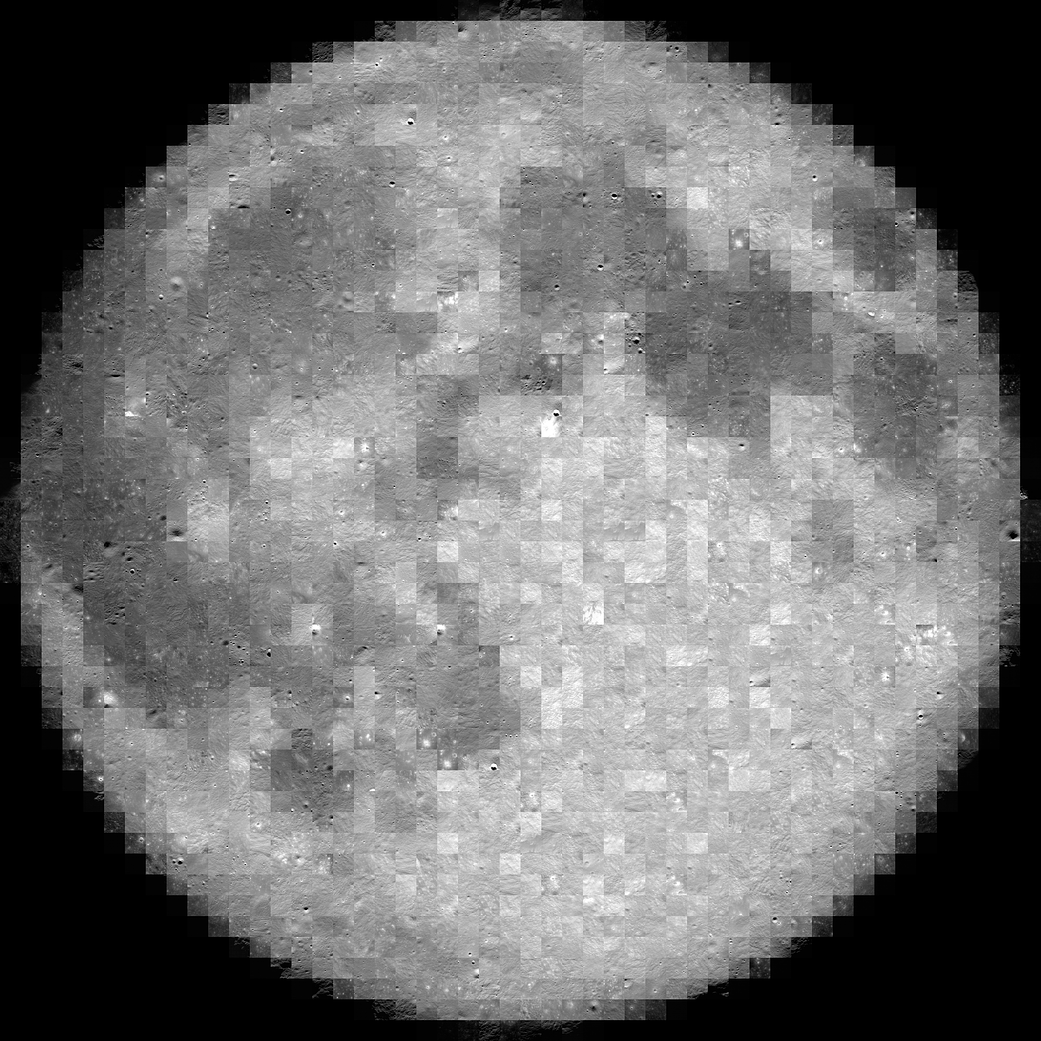
The lunar terminator, the boundary between day and night on the Moon, reveals shadows and surface detail especially well. Jupiter’s larger moons and Saturn’s rings are rewarding targets with appropriate equipment when the planets are favourably placed.
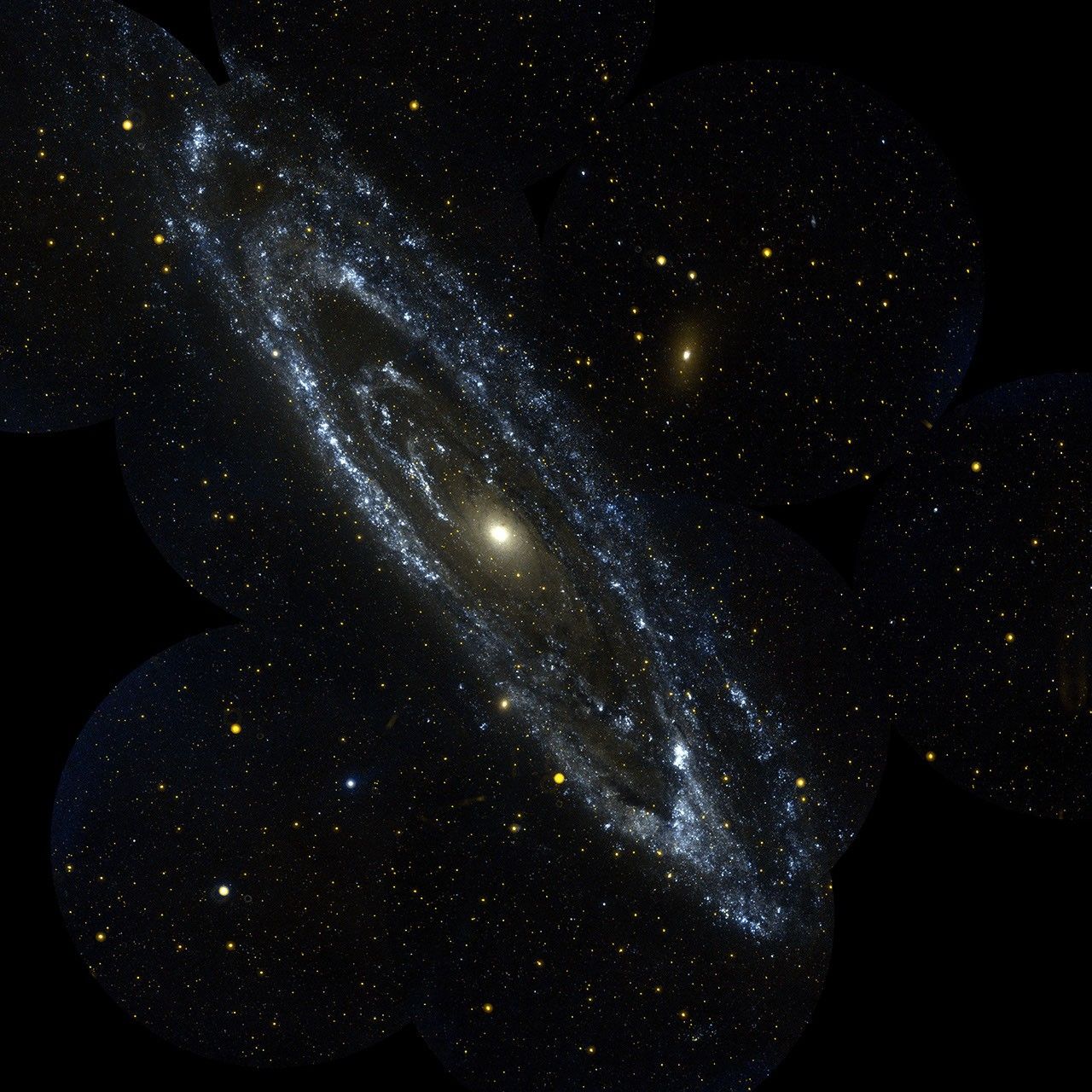
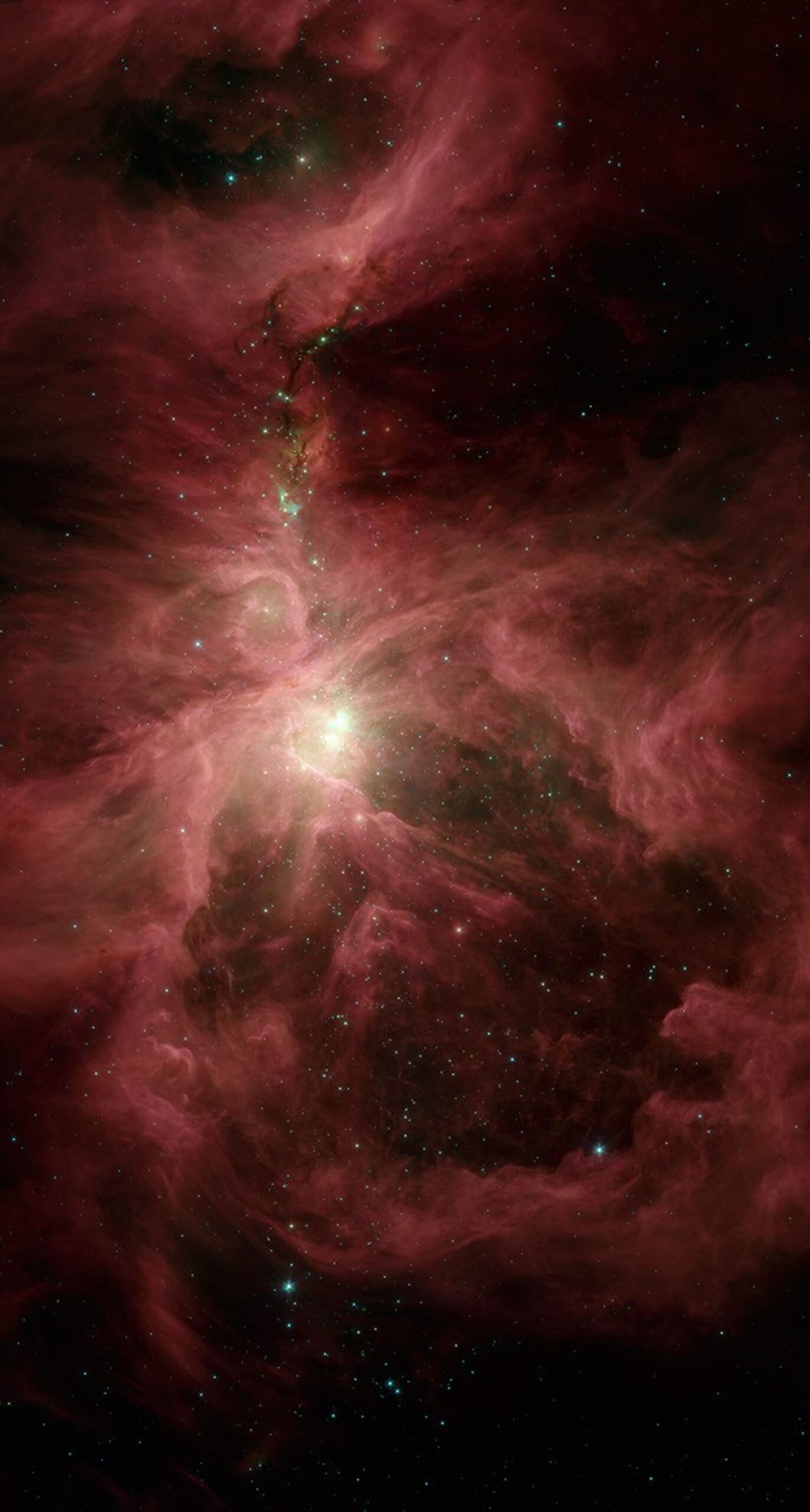
Under darker skies you can also find open star clusters and some bright nebulae or galaxies. Expectations matter: visually observed deep-sky objects are often subtle, not the brightly coloured structures familiar from long-exposure images.
Equipment and safety
Binoculars with a comfortable, steady grip are often a better first purchase than a complicated telescope. If you choose a telescope, a stable mount and manageable setup matter as much as magnification. A finder scope and low-power eyepiece make locating objects easier.
Never point binoculars, a camera or a telescope at the Sun without a correctly fitted, purpose-built solar filter. Looking at the Sun through unfiltered optical equipment can cause permanent eye damage. Ordinary sunglasses are not suitable.
Build a simple observing routine
Before going outside, check cloud cover, the Moon phase, the time of darkness and the direction of your chosen target. Bring warm clothing, a dim red light, sufficient power and a short list of possible objects.
Keep a small log with the date, location, conditions, equipment and one interesting observation. The goal is not to see everything in a single night; steady practice gradually makes the sky familiar.
Continue exploring: Astronomy, Observing, Astrophotography and Planning your observing night.